Toypurina (1760-1799)
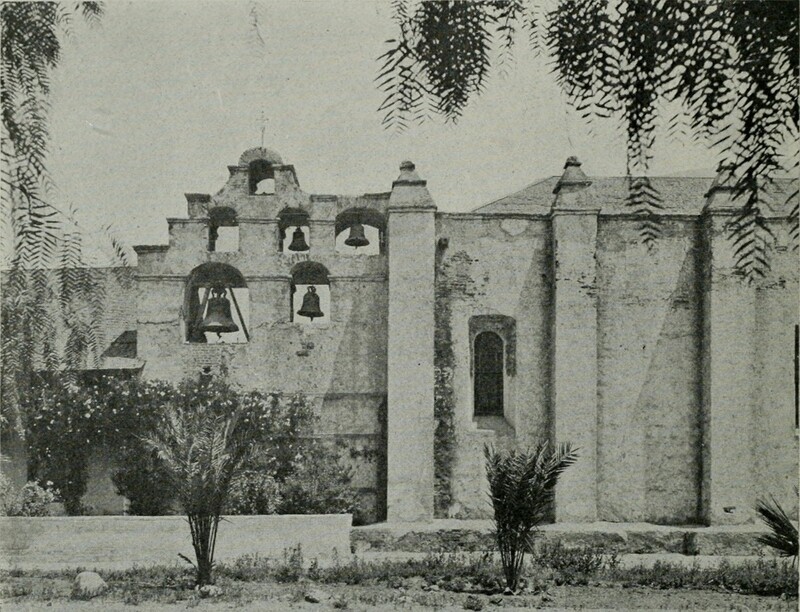
Toypurina, born in 1760 around the area that is now known as Los Angeles, was among a small group of rebels from the Tongva tribe who spearheaded an uprising against the Spanish soldiers occupying the Tongva’s ancestral lands at Mission San Gabriel. The Spanish had committed numerous atrocities against Toypurina and her people as they stole land, exploited, and assimilated them, including enslavement, sexual assault, violence, murder and forced religious conversions. Only in her early 20s at the time the rebellion was planned, Toypurina was already well known in her own tribe as well as neighboring tribes as an influential and revered leader and doctor. Because of her respectability and clout, she was recruited by Nicolás José to organize the multi-tribal rebellion and persuade nearby Native villages to help. José was determined to stand up to the Spanish after his son passed away and he discovered that a crucial mourning ceremony he needed to perform was outlawed, along with all the traditional ceremonies and dances of his people. The Spanish soldiers at the mission caught wind of whispers of rebellion and arrested the leading conspirers. They held a trial where Toypurina is recorded to have stood by the courage of her convictions, saying, “She was angry with the Padres and with all of those of this Mission because they were living here on her land.”
Toypurina was only released from imprisonment after nearly a year and a half after the Spanish made baptism, religious conversion, and taking a new Christian name a stipulation for her release from prison. But even after complying, Toypurina was banished from the mission and her homeland as punishment, wrenched from her husband and children, and sent to be exiled and enslaved for labor at two other missions in her lifetime. She remarried to a Spanish soldier at Mission San Carlos Borromeo de Carmelo near Monterey, whom she had four more children with. She was moved again to San Juan Bautista Mission, where she was buried at 39 years of age.
Although the Spanish orchestrated a cruel fate as punishment for her brave and subversive defiance to their colonial rule, today her memory endures, standing strong as a historical and symbolic figure of resilience and bravery in the face of great injustice.