Julia Morgan (1872-1957)
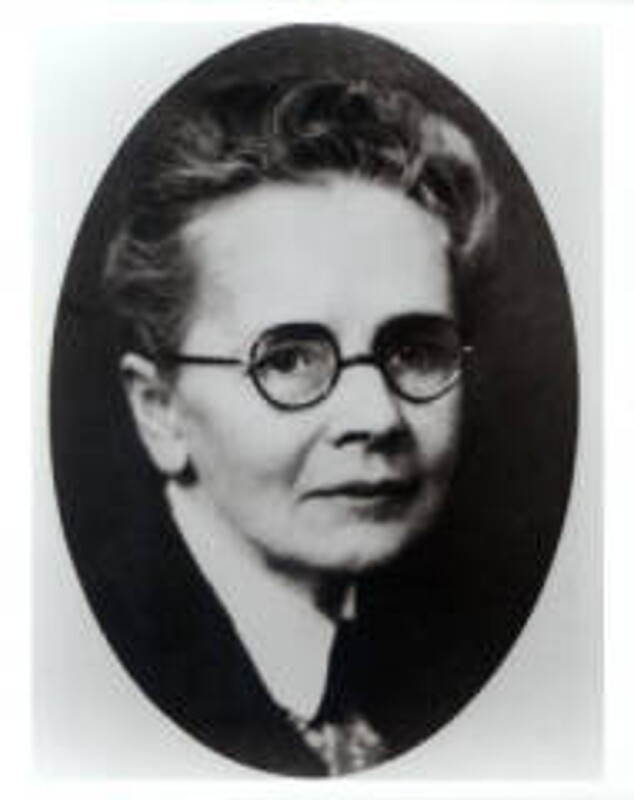
Born in San Francisco in 1872, Julia Morgan became a pioneering architect and engineer whose work reshaped California’s built environment. Over her career, she designed more than 700 buildings, ranging from private residences and churches to hotels, educational institutions, and civic landmarks. Morgan broke significant barriers at the outset of her career. She was the first woman admitted to the architecture program at the prestigious l'Ecole nationale supérieure des Beaux-Arts in Paris, one of the world’s leading architectural schools. Returning to California, she became the first woman licensed as an architect in the state—establishing herself in a profession that had long excluded women.
Her expertise proved invaluable after the devastating 1906 San Francisco earthquake and fire. At a time when structural safety was paramount, Morgan pioneered the aesthetic and structural use of reinforced concrete, demonstrating its superior seismic performance. She was selected to oversee the restoration of the landmark Fairmont Hotel, completing the reconstruction in less than a year. The project earned her national recognition as both an innovative designer and a superb engineer, dramatically increasing her commissions and financial success.
Morgan’s architectural style blended classical training with the warmth of the Arts and Crafts Movement. She incorporated handcrafted details and California pottery into her designs, balancing scholarship and innovation, formalism and whimsy. Her work reflected both structural rigor and artistic sensitivity.
Among her most celebrated achievements is Hearst Castle, commissioned by William Randolph Hearst. Over decades, Morgan designed and supervised the construction of the sprawling estate overlooking the Pacific Ocean, creating one of California’s most iconic architectural landmarks. She also designed the Asilomar Conference Grounds in Pacific Grove and numerous YWCA buildings and facilities at Mills College—structures that expanded educational and leadership opportunities for women and girls.
Despite designing hundreds of buildings and advancing earthquake-resistant construction practices, Morgan received limited formal recognition during her lifetime. In 2014, she became the first woman awarded the American Institute of Architects’ (AIA) highest honor, the AIA Gold Medal—presented posthumously.
Julia Morgan’s legacy endures in the resilience, beauty, and vision of her buildings. Through technical mastery and determination in the face of gender barriers, she not only transformed California’s architectural landscape but also opened the profession to future generations of women.