Delilah Beasley (1867-1934)
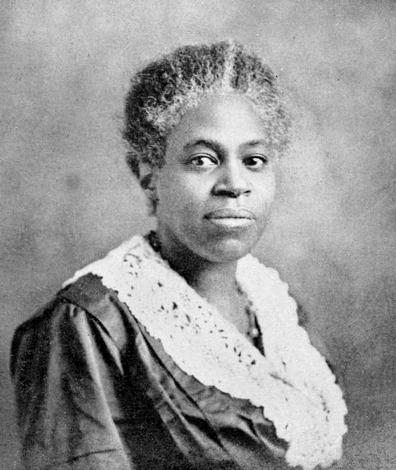
Author Delilah Beasley (1867-1934) is noted for her contributions in documenting early Black Californians, providing us with one of only a few sources of early African American history of the state. Delilah began her writing career in Cleveland, Ohio where she was born and raised. She wrote for the local Black newspaper, the Cleveland Gazette, as well as publishing articles in the mainstream Cincinnati Enquirer.
Arriving in Oakland, California in 1910, she immersed herself in the small community of around 3,000 Black Oaklanders. She picked up where she had left off in Cleveland by becoming a contributing writer to Black newspapers in the area, such as the Oakland Sunshine. While employed as a journalist, she also began a labor of love, what would become a total of nine years of research into the lives and stories of Black Californians as well as the political decisions and legislation that would affect them. Beasley poured over records held at the Bancroft Library at the University of California Berkeley, scoured newspapers and archives, and gathered first-hand accounts of notable individuals. Her years of research culminated in the publication of her book The Negro Trail-blazers of California in 1919. Beasley’s book documented success stories of Black individuals, challenging the typical narratives of the time. Her work gives us one of the richest resources of the history of Blacks in California leading up to and into the early days of Statehood.
After the impressive publication of her book, Delilah earned a regular column in the Oakland Tribune newspaper becoming the first Black woman in California to write for a major metropolitan newspaper. Delilah’s column, Activities Among Negroes, continued her work of highlighting the positive goings on in the Black community. She was cognizant of her broad audience, and she sought to showcase her community’s contributions and achievements while also advocating for civil rights. Without Delilah Beasley’s tireless efforts much of this California history would have been lost.